
I’ll let you in on something a lot of our PROs already know: Venetian Glaze is kind of a secret weapon. Once you see what it can do, you’ll get why people, including all of us, are a little obsessed with it. This one product gives you two completely different finishes, and honestly, that’s pretty rare.
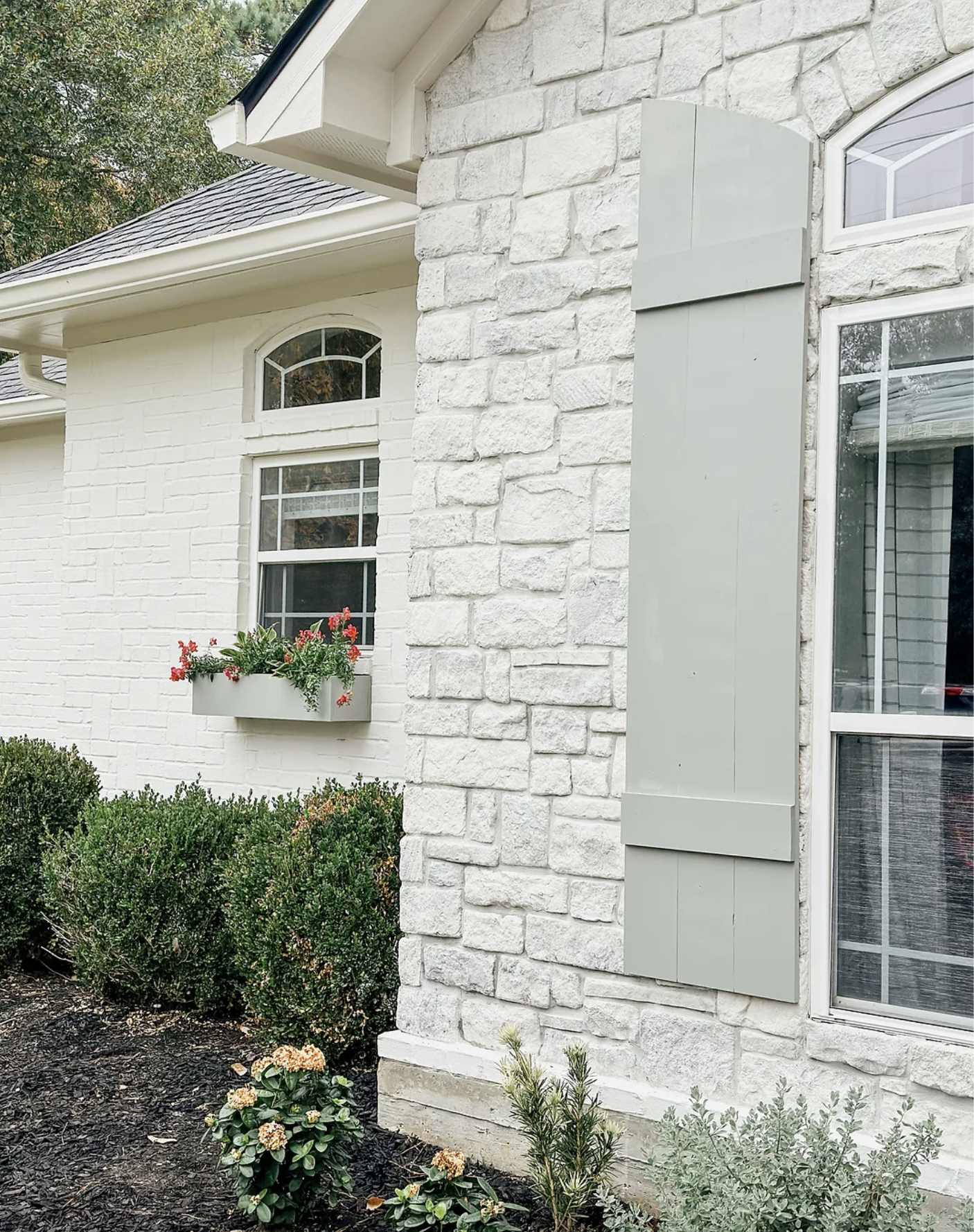
Like Classico Limewash, Venetian Glaze is made with authentic Italian slaked lime. It’s breathable. It’s eco-friendly. And it’s built to last. And don’t even get me started on the fun part, the versatility. You can use it to gently shift the color of stone, or create that gorgeous, textured interior plaster look on drywall. All those beautiful results from the same bucket.
Color-shifting stone
As gorgeous as it naturally is, stone can look dark or dated as the years go by. Your first instinct might be to grab a can of acrylic paint, but please don’t! Acrylics leave behind a thick, plasticky film that makes beautiful natural stone look repulsively fake.
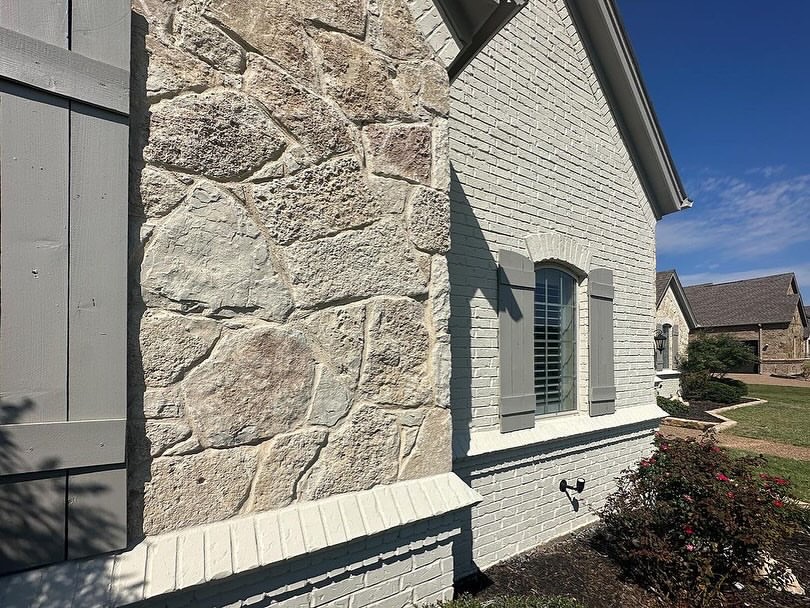
Venetian Glaze does the opposite, it soaks into the stone and creates a soft veiling effect. All that natural texture and character still show through while the color shifts to whatever you’re after. Just dilute it somewhere between 100% and 300% depending on how sheer or opaque you want it, then brush it on to coat the stone evenly. This is my favorite thing about it: on unsealed, absorbent stone, you only need one coat and no primer. That’s it.

That limewash look on interior drywall
This is where it gets really interesting. You wouldn’t expect a paint product for stone to also create a stunning interior finish, but it does. Apply Venetian Glaze undiluted with a trowel and you get that plaster-like texture and movement everyone loves. .
But when applying on drywall there are a few more steps. Start with a coat of MicroGrip primer, let it dry, give it a light sand as the surface needs to be uniformed, then trowel on two coats of Venetian Glaze. To be honest, this one leans a bit advanced for weekend DIYers, but there is good news: we have a nationwide network of Preferred PROs ready to handle it for you, and the results are absolutely worth it.
So how is Venetian Glaze different from Classico Limewash?
Great question, because they do share that Italian slaked lime DNA. The differences come down to a few things. Classico Limewash is designed to patina naturally over time which means it is easy to distress brick and stone, but Venetian Glaze is more durable and will last longer. They are different formulas, and Venetian Glaze is a neutral base so it can be tinted to light or dark colors, unlike Classico Limewash that is only white base.
Why Venetian Glaze for my stone?
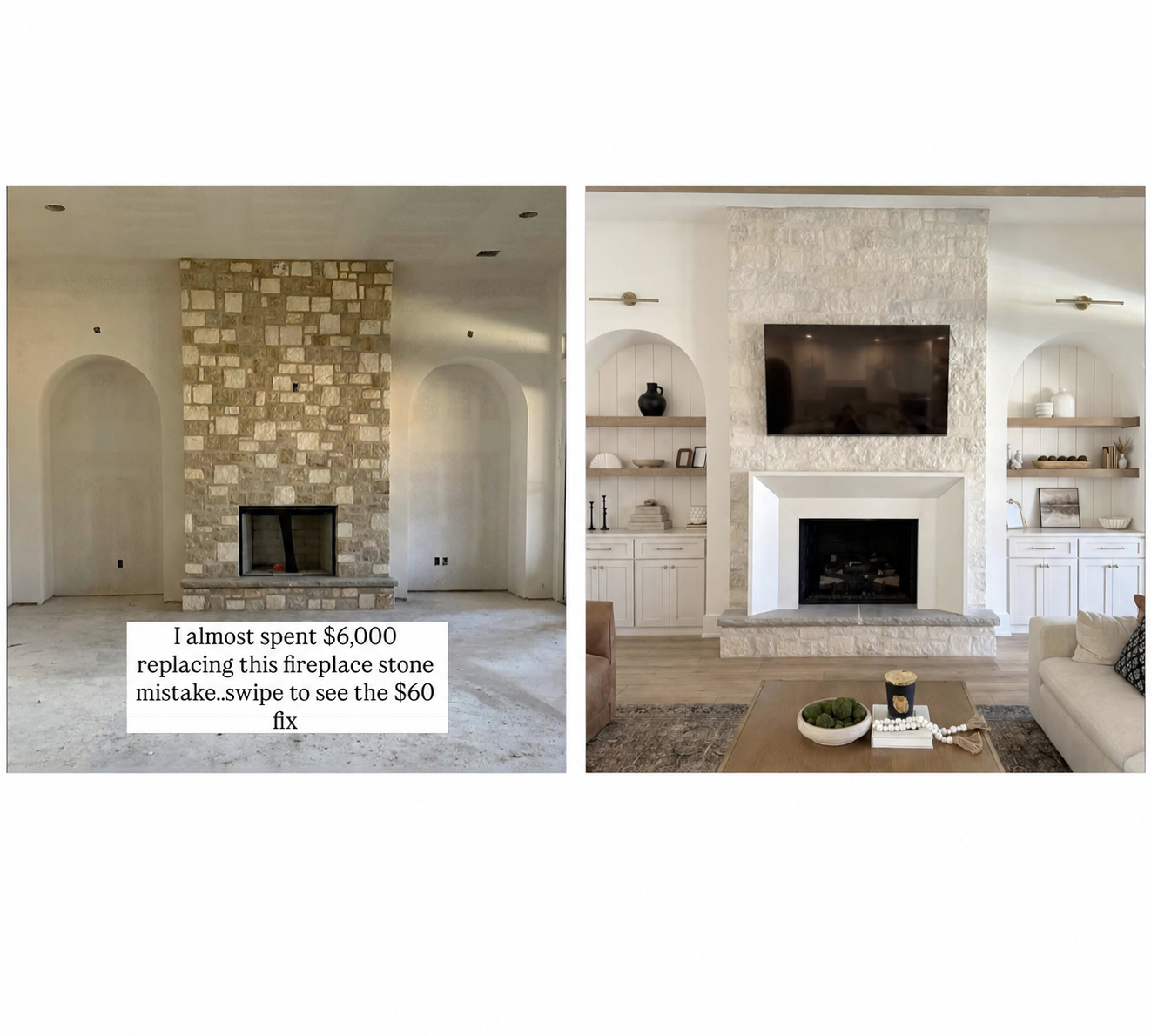
There was a miscommunication between the builder and stone yard, and the stone I chose was delivered as a blend. Instead of ripping it out, I went down a full research rabbit hole, brainstormed every possible fix, and landed on a $60 solution using @romabiopaints Venetian Glaze. Now it’s honestly one of my favorite features in the house. – @morgan.baswell
All of our masonrypaints will work on absorbent brick or masonry, but Venetian Glaze is the one I reach for on exterior stone. You have more control over the finish and can dilute as much as you need for a truly natural finish, and it won’t chalk off or weather the way Classico Limewash would on that surface. If you’re dreaming of a lasting color transformation on stone this is your product.
Ready to dig in a little more? Pop over to our product page and our YouTube channel for tutorial videos. And as always, reach out if you have any questions. We love hearing from you.
Ready to buy Venetian Glaze? Use our store locator to find a retailer near you, or shop online at Rings End.
Happy Painting!
 What Is Limewash? A Complete Guide to the Finish (and How to Get It Right)



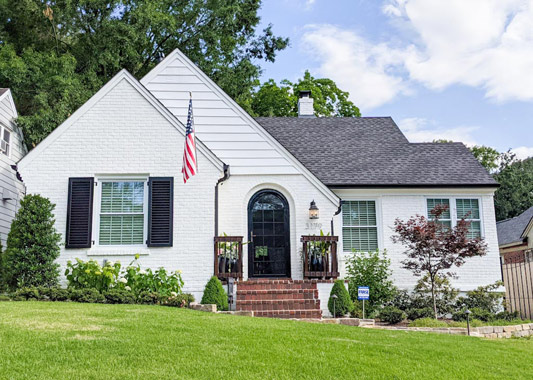 Photo Credit: Caldwell House, TN