

How Limewash Works and How to Get the Right Finish
There’s this thing that happens when a product or a treatment becomes a buzzword. Lately, for example, every time someone asks me about “limewash,” I have to pause and ask what they’re picturing. Some of my customers describe a weathered brick exterior with a particular cloudy patina. What others have in mind is “that interior wall that looks hand-painted.”
I totally get the confusion, since the word gets used for a lot of finishes these days, including some that aren’t really limewash at all. Plus, interior and exterior limewash are not the same product, at least not if you want long-lasting results. So how about sorting it all out?
Limewash is one of the oldest surface treatments in human history
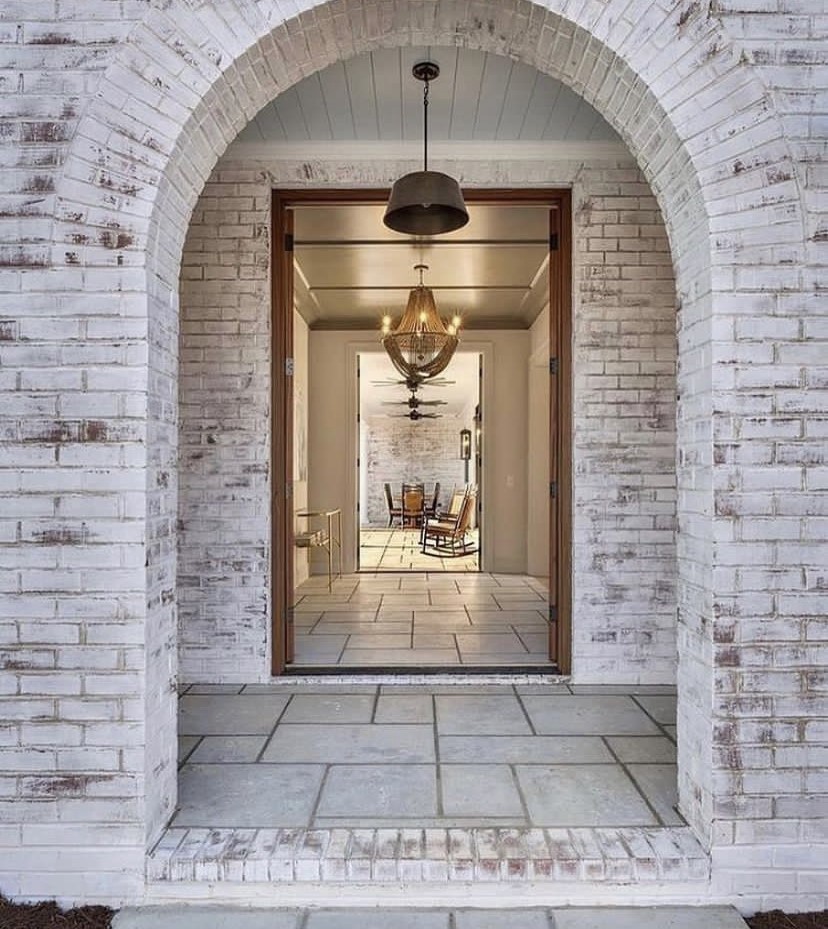
People all over the world have been coating their walls with limewash for thousands of years. Both inside and out. At its essence, the original recipe is unsurprisingly simple: limestone heated in a kiln becomes quicklime, and then it’s mixed with water to turn into slaked lime. In technical terms, that’s calcium hydroxide, a.k.a. the base of any true limewash.
Of course, leave it to the Italians to take something already good and keep refining it anyway. Italian artisans have been perfecting the craft for centuries. It was only natural to source our limewash formulas from Italy and use authentic slaked lime from the Dolomites.
My favorite part is that, compared to a conventional paint, real limewash is “weird” in all the good ways. First of all, it doesn’t just lie on the brick when you brush it over but gets pulled into the porous surface. The lime then starts to harden again (it calcifies as it reacts with the air) so the finish eventually becomes part of the masonry. The brick still breathes, only its color shifts. And after a while, that wall starts looking like it has always had that finish, which is mostly the point.
“Getting it right” means the surface comes first
We’ve been doing this for 17 years, and if there’s one thing I wish more homeowners knew, it’s this. You can’t just take any limewash and splatter it wherever convenient.
Take our Classico Limewash, for example: if you paint brick, it’s the real deal, made with authentic Italian slaked lime and designed to bond with porous surfaces. You can distress it heavily for that signature antique look, or leave it more opaque – totally up to you and your vibe.
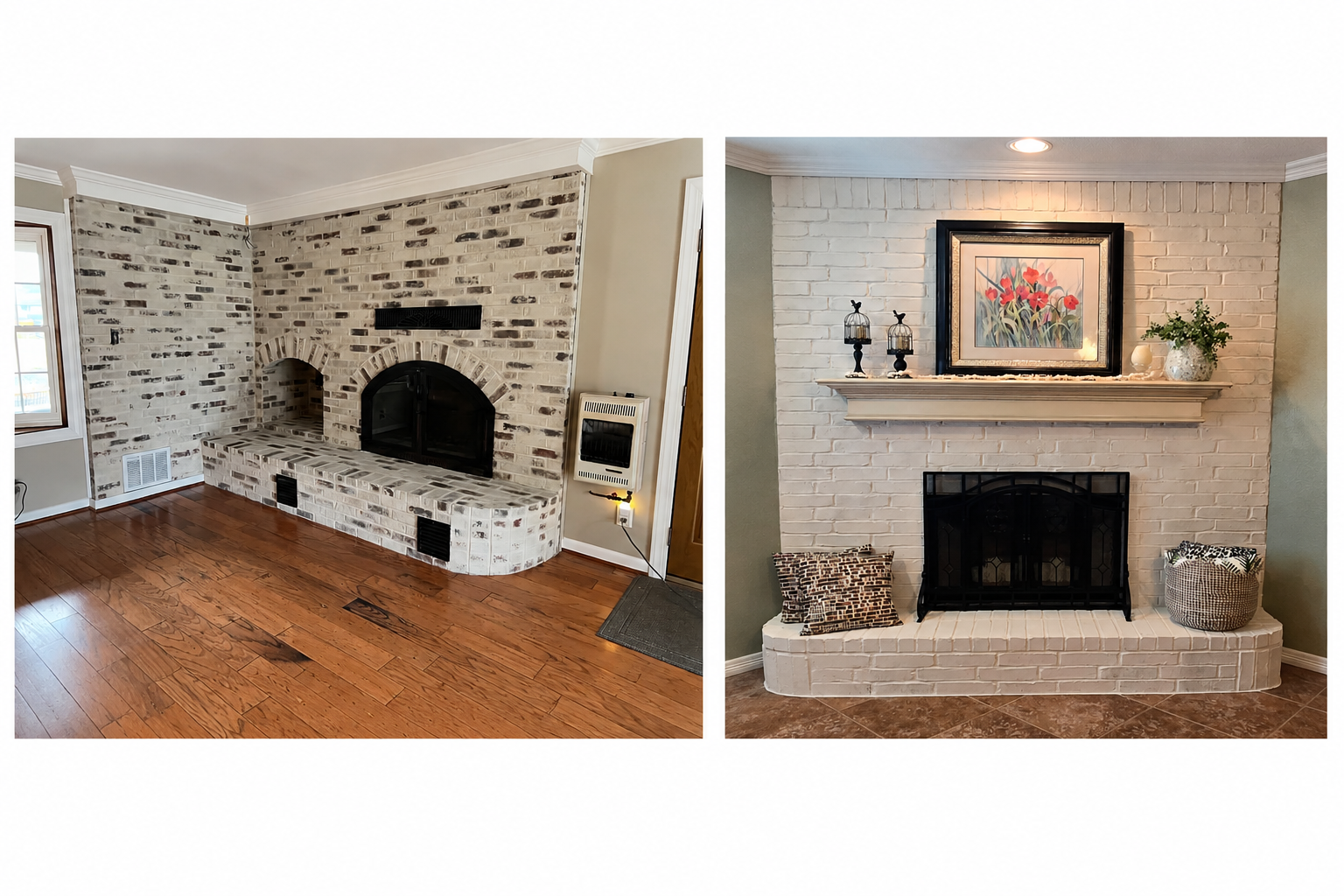
But interior drywall isn’t porous masonry, hence exterior limewash won’t behave the way it should once you put it inside your living room. You’d see chalking and poor adhesion pretty quickly, and the finish will simply not hold up the way it’s supposed to.
For DIY interior magic, you need something like Velatura Mineralwash. That one is engineered specifically for drywall and is relatively easy to use. Applied with a brush by using a cross-hatch technique, it gives you a subtle, cloudy, layered look people fall in love with. Venetian Glaze, meanwhile, gives you more drama and movement for an almost plaster like finish, but you have to trowel it to achieve that amazing effect. Their aesthetic story is similar; the difference is technical, with the right product for the job.
What to Know Before You Start
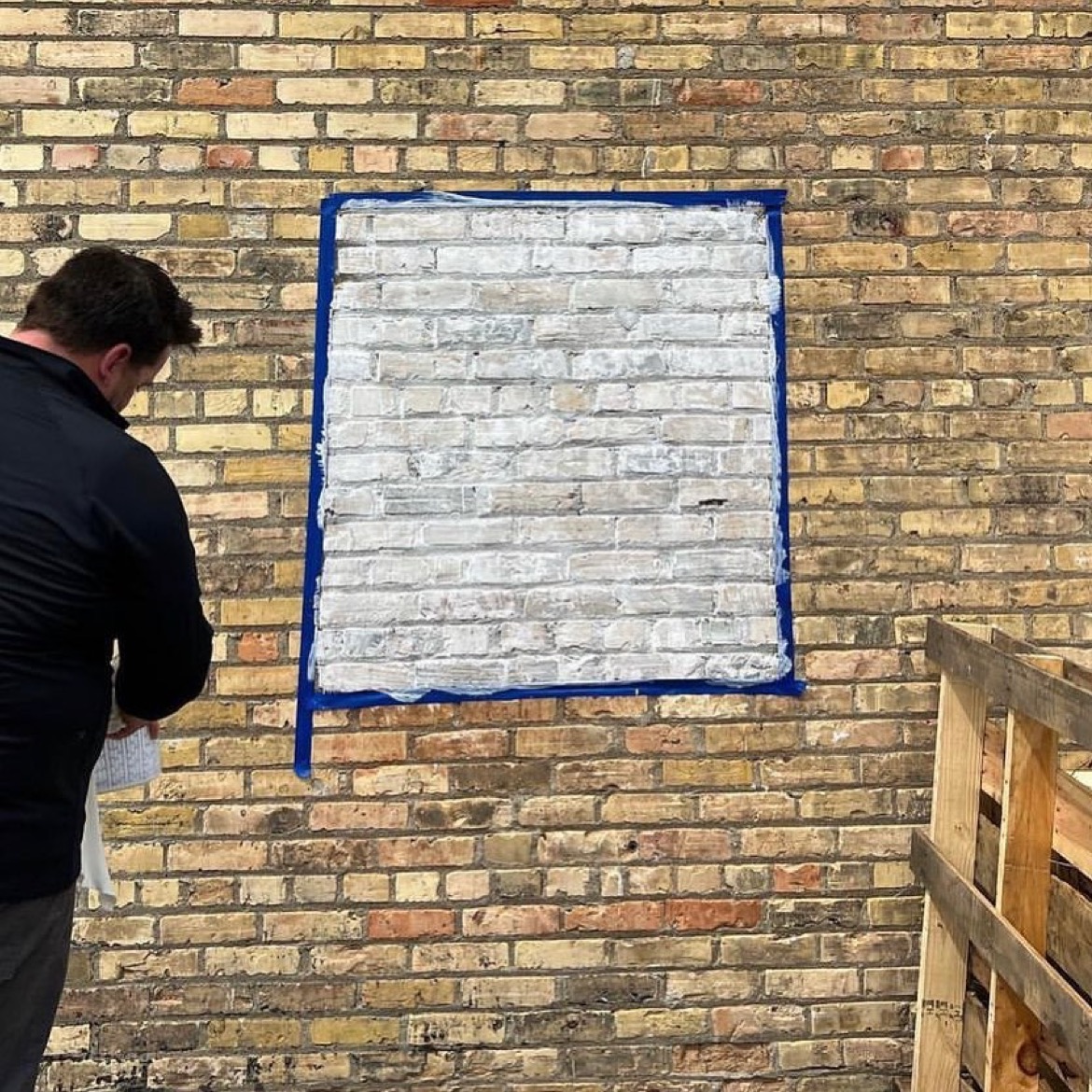
Something I should probably mention here, as it’s the one thing I always tell first-timers. Classio Limewash looks different wet on brick than it does dry. This fact may seem obvious, but it trips people up way more often than one could expect.
So: when you’ve just brushed it on and the wall is still wet, the color will look a little darker than what you’re going for. As it dries (usually within an hour or two, depending on the sun and temperature),it will settle into its true color.
What’s actually cool here is the part that makes limewash so forgiving: with Classico Limewash, you have a window to adjust. For the first couple of days after application, you can wash some of it off with a hose or a pressure washer to soften the coverage and reveal more of the brick underneath. You can also distress it further if you want a more weathered, old-world feel that continues quietly aging into a more beautiful version of itself.
Head over to our Hire a PRO page to connect with a Romabio Preferred Applicator in your area. And if you have specific limewash questions, drop us a line at info@romabio.com. We love this stuff (yes, really!).
 Acme Brick Just Named Romabio Their Only Recommended Paint



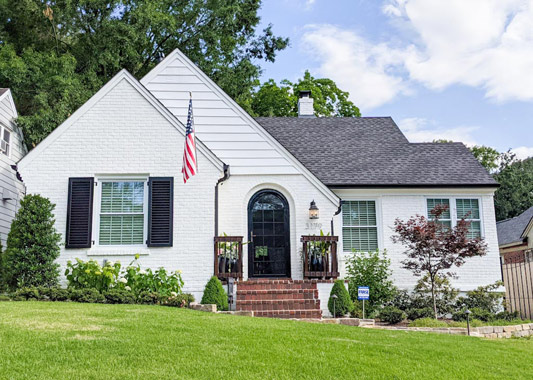 Photo Credit: Caldwell House, TN